16. Jinju Namgang Lantern Festival — The River That Glows With 430 Years of History
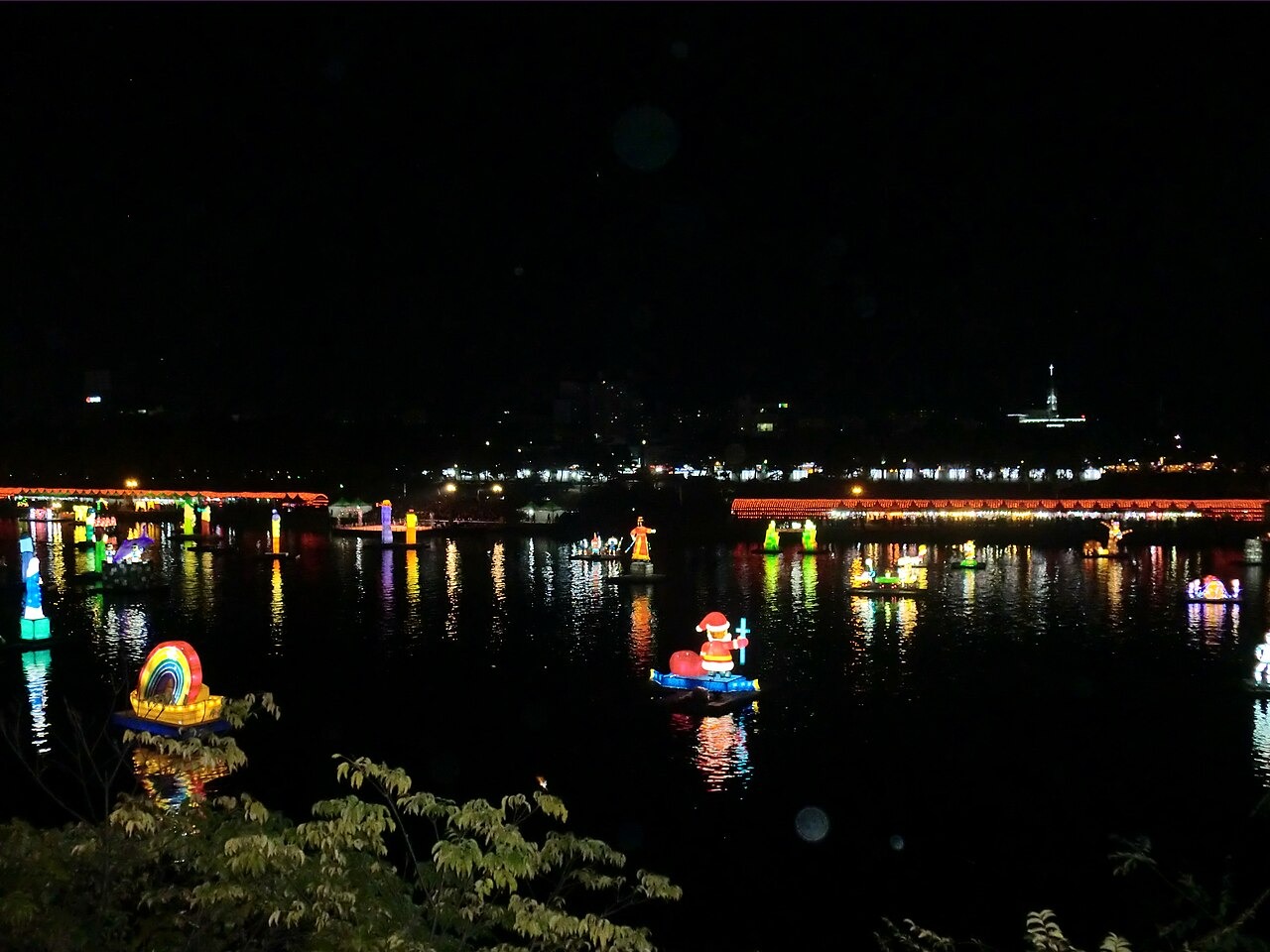
Every October, the city of Jinju in Gyeongsangnam-do turns its river into a gallery of light. Thousands of lanterns — some as tall as buildings, some small enough to hold in your hands — float on the Namgang River beneath the walls of a 400-year-old fortress. It is one of the most visually extraordinary nights you can experience in Korea.
What makes this festival different from other light shows is its origin. These lanterns are not decorations. They are a living memorial to the Battle of Jinjuseong in 1592, when Korean soldiers floated lanterns on the river to block Japanese troops from crossing at night. The tradition has continued in various forms ever since, and the modern festival — running since 2000 — has grown into one of Korea's highest-rated cultural events.
Quick Info
- Dates: October 3–18, 2026 (16 days) — confirmed by the official festival site
- Hours: Lanterns lit 18:00–24:00; floating bridges and booths 13:00–23:00
- Cost: Free admission for riverside lantern displays; workshops 3,000–10,000 won
- From Seoul: KTX to Jinju Station (~2.5–3 hours)
- From Busan: Express bus or train (~1.5 hours)
- Crowds: Very heavy on weekend evenings; weekday nights are manageable
- English: Limited — download Naver Map and Papago before you go
- Annual: Yes — held every October since 2000
- Best For: Photographers, history enthusiasts, couples, families, anyone who loves night scenery
In One Line
A free annual lantern festival along the Namgang River in Jinju, where massive illuminated sculptures float on the water beneath a historic fortress, honoring the Imjin War soldiers who used lanterns as a military defense in 1592.
Why This Festival
Korea has hundreds of autumn festivals. Most involve foliage walks or harvest markets that close by sundown. Jinju's festival was built around darkness. The entire experience is designed for the hours after sunset, when the river surface transforms into a mirror of colored light and the fortress walls glow against the night sky.
The historical weight sets it apart too. In October 1592, during the first Japanese invasion of Korea, the Battle of Jinjuseong became one of the three great Korean victories of the Imjin War. General Kim Si-min and the defenders of Jinju Fortress used lanterns floated on the Namgang River to illuminate enemy movements and prevent night crossings. The tactic worked — and the memory endured. Today's festival transforms that act of wartime ingenuity into a celebration of light, art, and remembrance.
The Korean government rates festivals on a tier system, and Jinju Namgang Yudeung has earned the top designation: Global Festival. It draws over two million visitors each year, yet remains largely unknown to international tourists. English-language information is scarce, which is precisely why it deserves a proper guide.
What to See and Do
Floating Lanterns on the Namgang River
The centerpiece of the festival. Large-scale illuminated sculptures — dragons, traditional Korean scenes, mythical creatures, and elaborate dioramas — float on the river surface. Some are over 10 meters tall. They stretch along the riverbank below Jinjuseong Fortress, creating a continuous corridor of light reflected in the water. This is the image you have seen in every photo of the festival, and it is even more striking in person.
Wish Lanterns
Visitors can write wishes on small paper lanterns and float them on the river. This is the most personal part of the festival — hundreds of individual lanterns drifting downstream at night, each carrying someone's hope. Lanterns are available for purchase at booths along the riverbank.
Jinjuseong Fortress at Night
The fortress itself becomes part of the display. The walls are illuminated, and from inside you get elevated views of the floating lanterns below. Chokseongnu Pavilion, one of Korea's three most famous pavilions, offers the best panoramic viewpoint. Walk the fortress walls for different angles of the river — it is free to enter during the festival.
Lantern-Making Workshops
Hands-on craft sessions where you can build a traditional Korean paper lantern under guidance. Sessions run throughout the festival, typically costing 3,000–10,000 won per person. No reservation needed — just join the queue at the workshop tents near the main entrance.
Fireworks and Performances
Major fireworks displays are held on opening and closing nights, launched over the Namgang River with the lanterns as a backdrop. Cultural performances — traditional Korean drumming (samulnori), fan dance, and Imjin War reenactments — run on stages along the riverbank throughout the festival period.
Lantern Parade
On select evenings, participants carry lanterns through the streets of Jinju in a procession that winds down to the river. Check the festival schedule for exact parade dates.
Getting There
- From Seoul (KTX): Seoul Station or Suseo Station to Jinju Station. About 2.5–3 hours. The most convenient option. From Jinju Station, take a taxi (15–20 min) or local bus to the festival site at Jinjuseong.
- From Seoul (Express Bus): Seoul Nambu Terminal to Jinju Express Bus Terminal. About 3.5–4 hours. Then taxi or bus to the fortress area.
- From Busan: Express bus from Busan Sasang Terminal (~1.5 hours) or train from Busan Station.
- From Incheon Airport: AREX to Seoul Station, then KTX to Jinju. Total about 4–4.5 hours.
- Festival Shuttles: During the festival, free shuttle buses typically run from Jinju Station and satellite parking areas to the festival grounds. Routes and schedules are posted at the station.
Food
Jinju is famous for Jinju bibimbap, a regional variation that uses raw beef (yukhoe), bean sprouts, and is served with rich beef bone broth on the side — quite different from the more widely known Jeonju version. Multiple restaurants near the fortress serve it.
The festival grounds have food vendor rows with Korean street food: tteokbokki, hotteok, grilled skewers, and seasonal treats. Jinju is also known for its naengmyeon (cold buckwheat noodles), worth trying if you enjoy noodle dishes.
For a sit-down meal, the streets around Jinjuseong Fortress have a concentration of local restaurants. Arrive early (5–6 PM) to eat before the evening crowds peak.
Practical Tips
- Best time to arrive: Come around 4–5 PM. Explore the fortress and riverside in daylight, eat an early dinner, then watch the lanterns come alive after sunset (~6:00 PM). The 7–9 PM window is the peak experience.
- Weather: Early October in Jinju averages 12–20 degrees Celsius (54–68 degrees Fahrenheit). Evenings by the river drop to 10–12 degrees. Bring a warm jacket or fleece — you will be standing outdoors for hours.
- Photography: A tripod is highly recommended for night shots. The lantern reflections on the river surface make for stunning long-exposure photos. Best angles: from Chokseongnu Pavilion (looking down), from the bridges crossing the Namgang, and from the riverbank walkways at water level.
- Weekday vs. weekend: The difference is dramatic. Weekend evenings bring enormous crowds and long waits at food stalls. If you can visit Tuesday through Thursday, the experience is far more enjoyable.
- Combine with: The National Jinju Museum (inside the fortress, focused on Imjin War history, free admission), Chokseongnu Pavilion, and the wider Gyeongsangnam-do region — Tongyeong (coastal city, 1 hour by bus) and Hapcheon Haeinsa Temple (UNESCO, 1.5 hours) make excellent day trips.
- Cash or card: Festival vendors are mixed. Bring 20,000–30,000 won in cash for food stalls, lantern purchases, and workshops. Restaurants and convenience stores accept cards.
- Parking: Very limited near the fortress on weekends. Use satellite parking with free shuttle buses, or come by public transport.
- Language: English signage is minimal. Naver Map works far better than Google Maps in Jinju. Have the Papago translation app ready for restaurant menus and signs.
The Bottom Line
Jinju Namgang Yudeung is not just a light show. It is a festival built on a real story — one where lanterns on a river meant the difference between a city standing and a city falling. That historical resonance, combined with the sheer visual spectacle of thousands of illuminated sculptures reflected in the Namgang, makes this one of the most memorable autumn experiences in Korea.
International visitors rarely make the trip. English information is scarce, and Jinju sits three hours south of Seoul with no direct flight. But for anyone willing to take the KTX and spend an evening by the river, the reward is a festival that feels both ancient and alive — a night you will photograph obsessively and remember long after.
Sources
- Jinju Namgang Yudeung Festival — official site — 2026 dates (Oct 3–18), theme, and operating hours. Accessed 2026-08-04.